
If you’re going to be selling NFTs on your own website, it’s important to make sure your potential customers can easily find them, and be able to purchase them in a way that feels safe and secure.
One of the best things about non-fungible tokens (NFTs) like CryptoKitties, is that you can buy, sell, and trade them from anywhere in the world, as long as you have access to an internet connection.
If you have your website or other online property, selling NFTs on your own website could be one way to earn extra money or even launch your own business.
This guide on how to sell NFTs on your own website will walk you through the entire process and give you some tips on how to make it successful.
Recommended Reading: 3 Easy Ways To Sell Your NFT Art For Free (Ultimate Guide) {Experts Choice}
Step-By-Step Process Of Selling NFTs On Your Own Website

Table Of Contents
Selling NFTs on your own website can be a great way to create a unique marketplace and have more control over the sales process.
Here is a step-by-step process of how to sell NFTs on your own website:
Create An ERC721 Contract
An ERC721 contract allows you to sell non-fungible tokens (NFTs) without a centralized intermediary. With the help of an ERC721 contract, everyone can sell digital assets that represent items, like collectibles and crypto kitties, directly to buyers.
If you’re new to blockchain technology and don’t have any idea what I just said then don’t worry!
This post will give you a step-by-step guide for selling NFTs on your own website with clear explanations of every concept used along the way.
The process of setting up an ERC721 contract might seem a little daunting at first but it doesn’t take long when broken down into manageable steps.
Recommended Reading: Make Money By Buying And Selling NFTs {Mint+Buy+Sell} [NFT Trading]
How To Create An ERC721 Contract
Creating an ERC721 contract involves several steps, including defining the contract, setting up the necessary functions, and deploying the contract to the Ethereum network.
Here is a general overview of how to create an ERC721 contract:
- Define the contract: You will need to define your ERC721 contract by creating a new Solidity file in your preferred editor. You can give your contract a name and define the variables that you want to include.
- Import the OpenZeppelin library: ERC721 is a standard interface that is part of the OpenZeppelin library. You will need to import the OpenZeppelin ERC721 contract into your Solidity file by adding the following code at the beginning of your file.

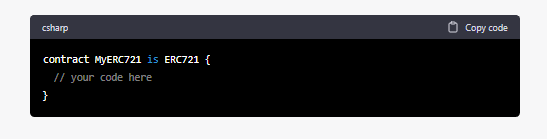
- Inherit the ERC721 contract: To use the ERC721 interface, you need to inherit it into your own contract. You can do this by adding the following code below your import statement:
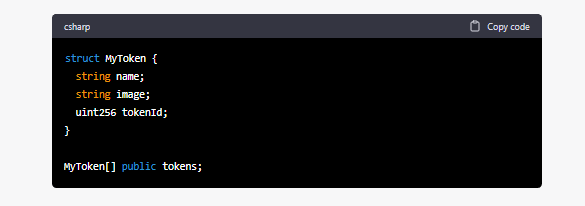
- Define your NFT: You can define your NFT by creating a struct that will hold the properties of your token. You will also need to create an array to store the tokens that have been minted. Here is an example of how to define your NFT:
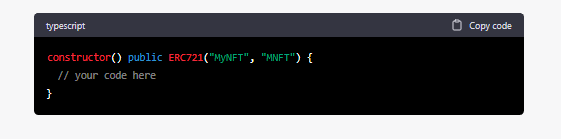
- Define the constructor: You will need to create a constructor function that will set up your contract. You can set the name, symbol, and initial supply of your NFT in the constructor. Here is an example of how to create the constructor:
- Create the mint function: To mint a new NFT, you will need to create a mint function. This function will take in the properties of the token as parameters and add the new token to the token array. Here is an example of how to create the mint function:
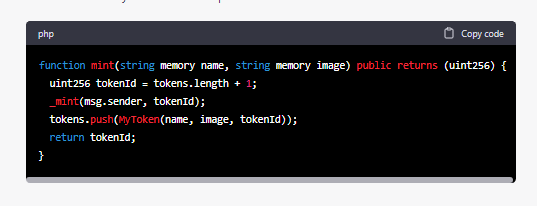
- Deploy your contract: Once you have written your contract, you can deploy it to the Ethereum network. You can use a tool like Remix or Truffle to compile and deploy your contract.
Mint Your NFTs
Once you have created your ERC721 contract, you will need to mint your NFTs. This involves creating the unique token ID for each NFT and assigning the properties that define it, such as the name, image, and description.
You can mint your NFTs using a tool like OpenSea, which provides an interface for minting and managing ERC721 tokens.
Recommended Reading: How To Sell Music NFT Online For Free {Ultimate Guide}
Create A Wallet
To receive payments for your NFTs, you will need to create a wallet that is compatible with the cryptocurrency you want to accept.
For example, if you want to accept Ethereum, you can create a wallet on a platform like MetaMask. Make sure to keep your wallet secure and protect your private keys.
Set Up A Website
You will need to create a website where you can list your NFTs for sale. You can use a website builder like Wix or Squarespace, or create your own custom website using a framework like React or Vue.
Make sure to include all the relevant information about your NFTs, such as the name, image, description, and price.
Integrate A Payment Gateway
To accept payments for your NFTs, you will need to integrate a payment gateway into your website. This will allow buyers to pay for their NFTs using cryptocurrency.
There are several payment gateway options available, such as Coinbase Commerce or BitPay.
Recommended Reading: 11+ Platforms To Buy And Sell Your NFTs Online (Mint+Buy+Sell)
Set Up A Smart Contract
To automate the sales process and ensure that the buyer receives their NFT after payment is received, you can create a smart contract that handles the transaction.
The smart contract can be set up to automatically transfer ownership of the NFT to the buyer once payment is confirmed.
List Your NFTs For Sale
Once your website, payment gateway, and smart contract are set up, you can list your NFTs for sale on your website.
Make sure to promote your website and NFTs on social media and other channels to attract buyers.
Manage Sales And Transactions
As sales come in, you will need to manage the transactions and ensure that the NFTs are transferred to the buyers.
You can use tools like Etherscan to monitor the transactions and confirm that payment has been received. Once payment is confirmed, you can transfer ownership of the NFT to the buyer using the smart contract.
Note: Selling NFTs on your own website requires technical knowledge and attention to detail. It’s important to thoroughly test your website and smart contract to ensure that everything works smoothly and securely.
It’s also important to stay up-to-date with the latest security best practices and stay vigilant against potential scams and fraud.
Recommended Reading:
Set up OpenSea (Alternate)
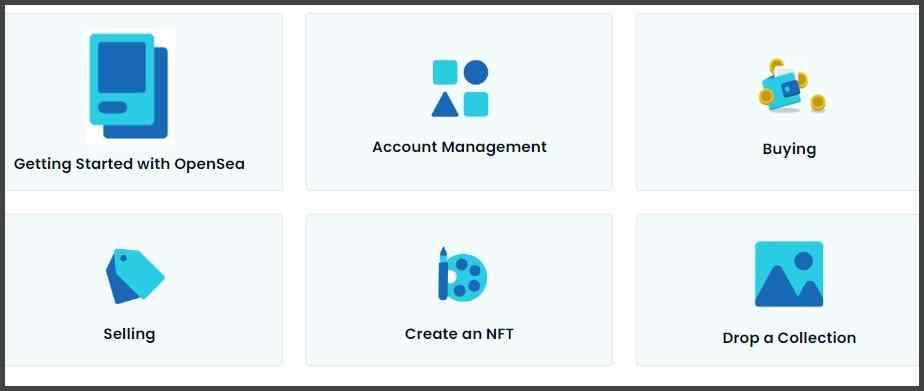
If you don’t have a website yet, set up an OpenSea account and follow our Getting Started guide to create your first store.
Once you’ve created a store, go through our Get Started tutorial to learn how to buy items using ETH and test out listing items for sale.
The only thing you need before selling is some non-fungible tokens to sell! Read on for more information about how (and why) to get those tokens.
There are two major categories of NFT — unique ones that are completely unique in their design or implementation, like CryptoKitties, and fungible ones which have different features but all exist within a finite supply that can be interchanged between instances of itself — like most ERC721 collectibles.
Either type can be useful in building a business around selling NFT on your own website, but we recommend choosing something that people will want over one-of-kind or limited/exclusive items that might be hard to sell once they lose their value or appeal.
Set Up The Shop
Selling NFTs is a tricky thing. If you plan to sell them yourself, it’s important to be aware of all aspects of selling digital goods.
Take your time and make sure that everything works perfectly before launch day. If it does, you’ll be glad you did! Selling NFTs isn’t just about launching a shop—it’s about making sure that your shop runs smoothly.
To get started, take some time to set up an account with a reputable payment processor like Stripe or PayPal and create an account with one or more marketplaces (such as OpenSea).
It might seem like extra work at first, but if something goes wrong later down the line you’ll wish you had taken care of these details beforehand.
When it comes to actually setting up your shop, there are two options: build it from scratch or use a marketplace such as OpenSea or RareBits.
For most people selling non-fungible tokens for fun (and profit), building their own website is unnecessary work.
Recommended Reading: Make Money By Buying And Selling NFTs {Mint+Buy+Sell} [NFT Trading]
What Next?
There are lots of different websites that you can use to monitor how well your sites and posts are doing in terms of reach and views.
Sites like Alexa will let you know how much traffic your site is getting, while Google Analytics will tell you where all of that traffic is coming from.
You can also check out what people are searching for online; companies like Ubersuggest will help you generate a list of search terms based on a keyword phrase or phrase that you enter.
Finding what people are interested in purchasing, researching, or reading about (and creating content related to those topics) is one way to increase your visibility online and drive more traffic to your website.
The only thing better than driving more traffic to your site is selling something from it!
Final Thoughts
Selling NFTs on your own website is a great way to reach your audience. No middleman means more revenue for you and better margins for your customers.
Getting set up isn’t difficult, but it does require some tech-savvy. Thankfully, we’ve got you covered with our step-by-step guide! Follow these steps and you’ll be selling your unique NFT in no time. Good luck!
We’ve highlighted some tools and resources you can use to help sell your unique NFT. There are a lot of third-party options, but we encourage you to create something custom for your site!
If you have any questions about selling on your own website, please feel free to drop us a line via email or our Telegram chat. We’re always happy to help!
Recommended Reading: How To Sell Music NFT Online For Free {Ultimate Guide}
Pros And Cons Of Selling NFTs On Your Own Website
Selling NFTs on your own website can offer several benefits and drawbacks. Here are some pros and cons to consider:
Pros:
- More control: Selling NFTs on your own website gives you more control over the sales process, pricing, and distribution.
- Branding: Selling NFTs on your own website allows you to build your brand and create a unique marketplace that reflects your values and aesthetic.
- Lower fees: By selling NFTs on your own website, you can avoid paying fees to third-party marketplaces or auction houses, which can be significant.
- More flexibility: Selling NFTs on your own website allows you to be more flexible with your sales strategy, such as offering discounts or creating custom collections.
- Direct communication: Selling NFTs on your own website enables you to communicate directly with buyers, answer their questions, and build relationships.
Cons:
- Technical expertise: Selling NFTs on your own website requires technical expertise and a good understanding of blockchain technology.
- Marketing: Selling NFTs on your own website requires marketing efforts to attract buyers and drive traffic to your website.
- Security risks: Selling NFTs on your own website exposes you to security risks, such as hacking, fraud, or theft of private keys.
- Lack of exposure: Selling NFTs on your own website may limit your exposure to potential buyers who are not already familiar with your brand or website.
- Legal compliance: Selling NFTs on your own website may require legal compliance with regulations in your jurisdiction, such as tax laws or anti-money laundering regulations.
In summary, selling NFTs on your own website can offer more control, branding opportunities, and lower fees, but it also requires technical expertise, marketing efforts, and security considerations.
It’s important to carefully weigh the pros and cons and decide whether selling NFTs on your own website is the right choice for your goals and resources.
Recommended Reading: 11+ Platforms To Buy And Sell Your NFTs Online (Mint+Buy+Sell)
FAQs | Selling NFTs On Your Own Website
Do I need technical knowledge to sell NFTs on my own website?
Yes, you will need some technical knowledge to create the ERC721 contract, mint your NFTs, set up a payment gateway, and create a smart contract.
However, there are many resources available online that can guide you through the process, and you can also hire a developer to assist you.
What cryptocurrencies can I accept for my NFTs?
You can accept any cryptocurrency that is compatible with your payment gateway. Popular options include Bitcoin, Ethereum, and USDC.
How do I ensure that my NFTs are unique?
When you mint your NFTs, you will create a unique token ID for each one, and assign the properties that define it, such as the name, image, and description.
This ensures that each NFT is unique and cannot be duplicated.
How do I set the price for my NFTs?
You can set the price for your NFTs based on factors such as rarity, demand, and market trends.
It’s important to do research and consider the value of similar NFTs that have been sold in the past.
How do I transfer ownership of my NFTs to the buyer?
You can transfer ownership of your NFTs to the buyer using a smart contract that is set up to automatically transfer ownership once payment is confirmed.
This ensures that the buyer receives the NFT immediately after payment is received.
What should I do if I encounter technical issues or security concerns?
It’s important to thoroughly test your website and smart contract to ensure that everything works smoothly and securely.
If you encounter technical issues or security concerns, you can reach out to online communities or hire a developer to assist you.
How do I promote my website and NFTs to attract buyers?
You can promote your website and NFTs on social media, online communities, and other channels where your target audience is active.
It’s also helpful to participate in online events and collaborations to increase visibility and attract potential buyers.

Add a Comment